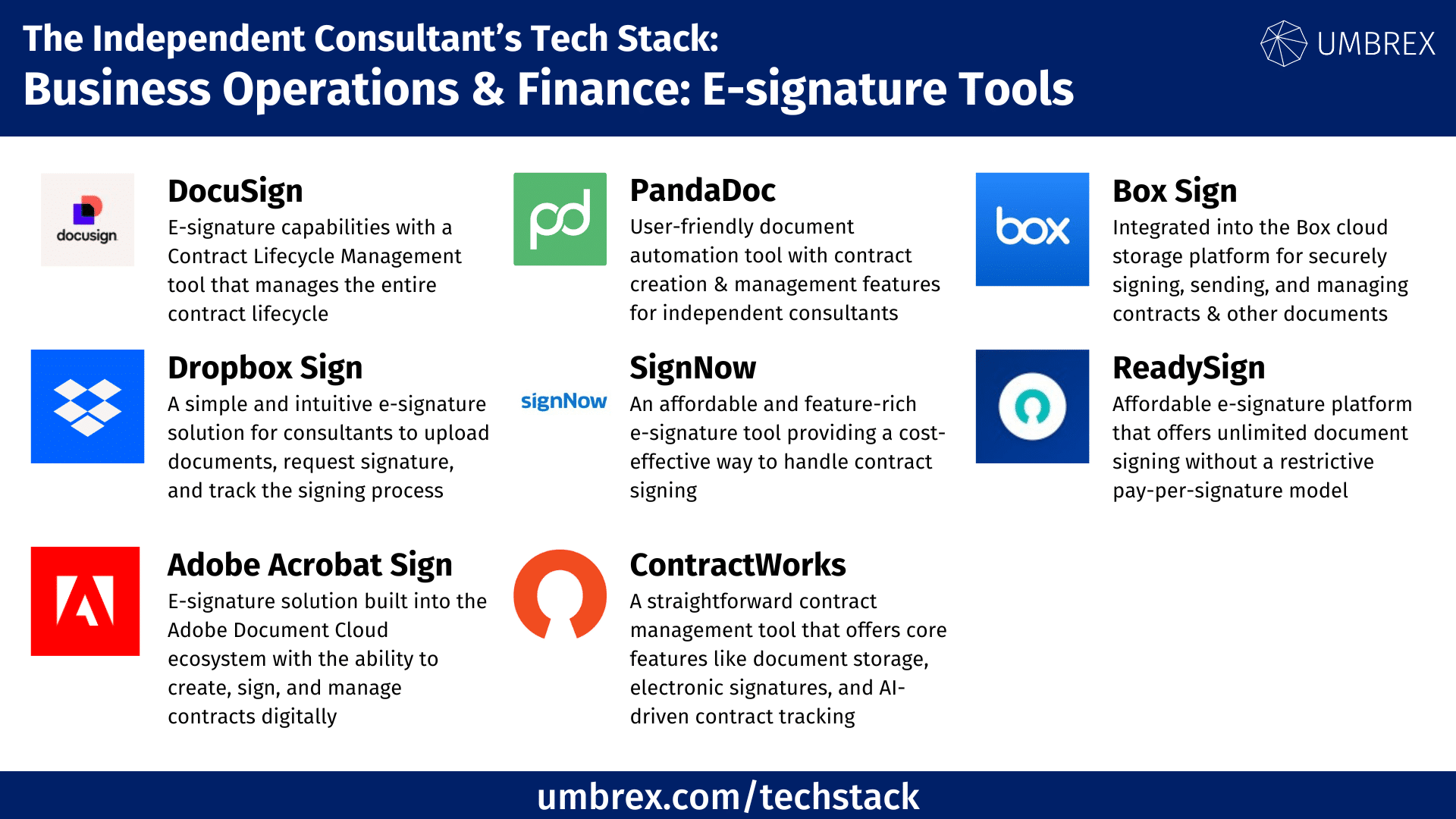
Top Electronic Signature Tools for Faster and Secure Agreements
Estimated reading time: 8 minutes
Key Takeaways
- Enhanced Efficiency: Electronic signature tools significantly reduce agreement turnaround times.
- Improved Security: These tools offer robust security features to ensure the integrity of your documents.
- Cost Savings: By eliminating paper-based processes, organizations can reduce operational costs.
- Environmental Impact: Digital agreements contribute to a smaller carbon footprint by minimizing paper usage.
Table of Contents
- Understanding Electronic Signature Tools
- Benefits of Using Electronic Signature Tools for Agreements
Understanding Electronic Signature Tools
Electronic signature tools are sophisticated digital platforms that enable users to sign documents electronically, eliminating traditional pen-and-paper methods. These solutions provide secure, legally valid ways to capture consent on agreements, contracts, and forms, revolutionizing how businesses handle document approvals.
Modern e-signature platforms offer:
- Instant, remote signing capabilities
- Real-time status tracking
- Comprehensive audit trails
- Seamless integration with existing business systems
- Secure document storage and retrieval
Benefits of Using Electronic Signature Tools for Agreements
Speed and Efficiency
The impact on business velocity is remarkable. While traditional signing methods can take days or weeks, electronic signatures dramatically accelerate the process. Consider this: 80% of DocuSign agreements are completed within 24 hours, with nearly half finalized in just 15 minutes. This efficiency is further enhanced by automated reminders and customizable templates that streamline the entire approval process.
Security and Compliance
Modern electronic signature tools incorporate multiple layers of security:
- Advanced encryption protocols
- Multi-factor authentication
- Detailed audit trails
- Tamper-evident seals
These solutions comply with major legal frameworks including:
Convenience and Accessibility
The ability to sign documents from any device, anywhere, at any time has transformed how businesses operate. This flexibility supports:
- Remote work arrangements
- Global operations
- Distributed teams
- Cross-border transactions
Cost Savings and Environmental Impact
By eliminating paper-based processes, organizations achieve:
- Reduced printing costs
- Eliminated shipping expenses
- Lower storage requirements
- Decreased environmental footprint
Frequently Asked Questions
What are the legal implications of using electronic signatures?
Electronic signatures are legally binding in many countries, including compliance with the ESIGN Act in the US and eIDAS in the EU. They provide the same legal standing as traditional handwritten signatures when used correctly.
How secure are electronic signature tools?
Electronic signature tools employ advanced security measures such as encryption, multi-factor authentication, and tamper-evident seals to ensure the integrity and confidentiality of your documents.
Can electronic signatures be used internationally?
Yes, many electronic signature platforms are designed to comply with international regulations, making them suitable for cross-border transactions and global business operations.
What types of documents can be signed electronically?
A wide range of documents can be signed electronically, including contracts, agreements, consent forms, NDAs, and more. As long as the document is legally permissible, electronic signatures can be applied.